

A revolutionary new cancer treatment has shown remarkable results in clinical trials, offering new hope for patients with previously untreatable cancers while demonstrating significantly fewer side effects than traditional chemotherapy and radiation treatments.
The treatment, which combines advanced immunotherapy techniques with precision targeting of cancer cells, has achieved complete remission in a significant percentage of patients who had exhausted other treatment options. The results, published in a leading medical journal, represent one of the most significant advances in cancer treatment in recent years.
Precision Immunotherapy Approach
The new treatment uses a sophisticated approach that harnesses the body's own immune system to fight cancer while precisely targeting cancer cells and sparing healthy tissue. This represents a significant advance over traditional treatments, which often damage healthy cells along with cancer cells, causing severe side effects.
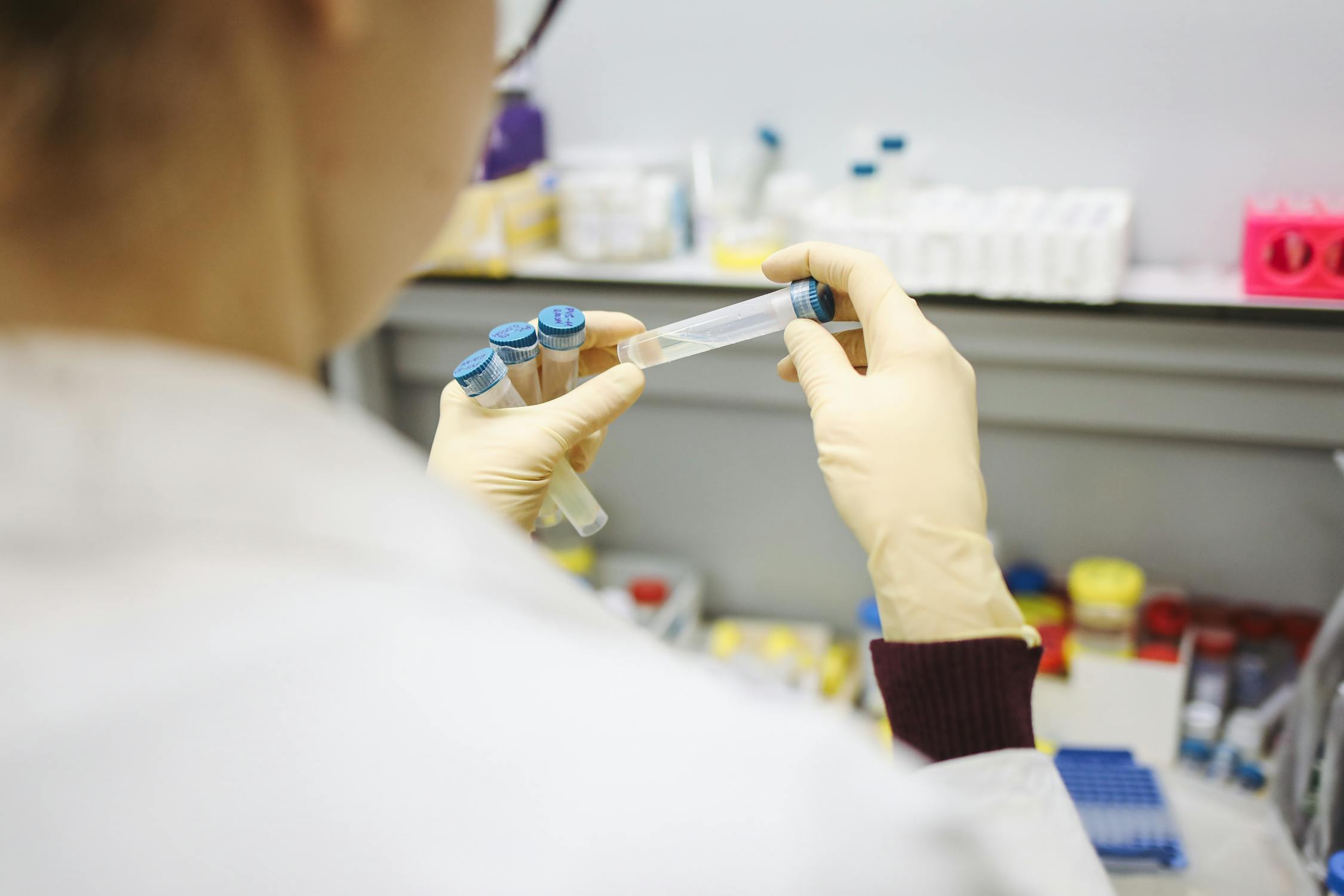
The treatment involves extracting immune cells from patients, genetically modifying them to recognize and attack cancer cells, and then reinfusing them into the patient. These modified cells, known as CAR-T cells, are specifically engineered to target proteins found on the surface of cancer cells, allowing them to identify and destroy cancer cells with remarkable precision.
"This is personalized medicine at its finest," explained Dr. Emily Wong, the lead researcher on the clinical trials. "We're essentially training the patient's own immune system to become a highly effective cancer-fighting force. The precision of this approach means we can target cancer cells while leaving healthy cells largely untouched."
Clinical Trial Results
The clinical trials involved patients with various types of cancer, including some forms that have been particularly difficult to treat. The results have been encouraging across multiple cancer types, though the treatment appears to be most effective for certain blood cancers and solid tumors with specific characteristics.
In one trial involving patients with advanced lymphoma, over 80 percent of patients achieved complete remission, meaning no detectable cancer remained after treatment. Many of these patients had previously tried multiple other treatments without success. The remission rates are significantly higher than those achieved with traditional treatments for similar patients.
Perhaps equally important, the treatment has shown relatively mild side effects compared to traditional chemotherapy and radiation. While some patients experience temporary flu-like symptoms and other manageable side effects, the severe nausea, hair loss, and other debilitating effects common with traditional treatments are largely absent.
Mechanism of Action
The treatment works by overcoming one of cancer's primary defenses: its ability to evade the immune system. Cancer cells often develop mechanisms to avoid detection by immune cells, allowing them to grow and spread unchecked. The new treatment modifies immune cells to recognize cancer cells even when they try to hide.
The CAR-T cells are engineered with receptors that specifically bind to proteins on cancer cells. When these modified cells encounter a cancer cell, they activate and begin destroying it. The cells also multiply, creating an army of cancer-fighting cells that can persist in the body for extended periods, providing long-term protection against cancer recurrence.
This approach is fundamentally different from traditional treatments, which directly attack cancer cells with drugs or radiation. Instead, the new treatment empowers the immune system to do what it's designed to do—identify and eliminate abnormal cells—but with enhanced capabilities that overcome cancer's evasive strategies.
Personalized Treatment
One of the most significant aspects of the new treatment is its personalized nature. Each patient's treatment is customized based on their specific cancer type and individual characteristics. This personalization allows for more effective targeting and reduces the risk of side effects.
The treatment process begins with a detailed analysis of the patient's cancer cells to identify the specific proteins that can be targeted. Immune cells are then modified to recognize these specific targets, creating a treatment that is tailored to each patient's unique cancer.
This personalized approach represents a shift away from one-size-fits-all cancer treatments toward precision medicine that addresses the specific characteristics of each patient's cancer. As our understanding of cancer genetics and immunology improves, this approach is likely to become even more precise and effective.
Challenges and Limitations
Despite the promising results, the treatment faces several challenges. The process of extracting, modifying, and reinfusing immune cells is complex and time-consuming, currently taking several weeks. This limits the treatment's availability and makes it expensive.
Cost is a significant barrier. The personalized nature of the treatment means it cannot be mass-produced, and the complex manufacturing process makes it expensive. Currently, the treatment costs hundreds of thousands of dollars per patient, putting it out of reach for many people without insurance coverage or in healthcare systems with limited resources.
The treatment is also not effective for all types of cancer. Some cancers don't have suitable protein targets, and others may develop resistance to the treatment over time. Researchers are working to expand the treatment's applicability and address resistance mechanisms.
Expanding Applications
Researchers are actively working to expand the treatment's applications to more types of cancer. This includes identifying new protein targets that can be used for different cancer types and developing techniques to make the treatment more effective against solid tumors, which have been more challenging than blood cancers.
There's also research into making the treatment more accessible and affordable. Some approaches involve creating "off-the-shelf" versions that don't require personalization, though these may be less effective. Other research focuses on streamlining the manufacturing process to reduce costs and time.
Combination therapies are also being explored, where the new immunotherapy is used alongside other treatments. Early research suggests that combining this treatment with traditional chemotherapy or newer targeted therapies may improve outcomes for some patients.
Future of Cancer Treatment
The success of this treatment represents a significant step toward a future where cancer is managed more like a chronic disease than a fatal condition. While complete cures remain the goal, the ability to achieve long-term remissions with manageable side effects represents major progress.
As the treatment is refined and becomes more widely available, it could transform cancer care. The personalized approach and reduced side effects could make cancer treatment more tolerable for patients, improving quality of life even during treatment.
The treatment also provides hope for patients with cancers that have been difficult to treat. As researchers continue to develop and refine immunotherapy approaches, more patients may have access to effective treatments that were previously unavailable.
Ethical and Access Considerations
The high cost of the treatment raises important questions about access and equity. Ensuring that effective cancer treatments are available to all patients, regardless of their ability to pay, is a significant challenge that healthcare systems and policymakers must address.
There are also ethical considerations related to the genetic modification of cells. While the treatment has shown to be safe in clinical trials, the long-term effects of modifying immune cells are still being studied. Ongoing monitoring and research are essential to ensure the treatment's safety over the long term.
Despite these challenges, the treatment represents a major advance in cancer care. The promising results from clinical trials offer new hope for cancer patients and demonstrate the potential of immunotherapy to transform cancer treatment. As research continues and the treatment becomes more refined and accessible, it could help save countless lives and improve the quality of life for cancer patients worldwide.