
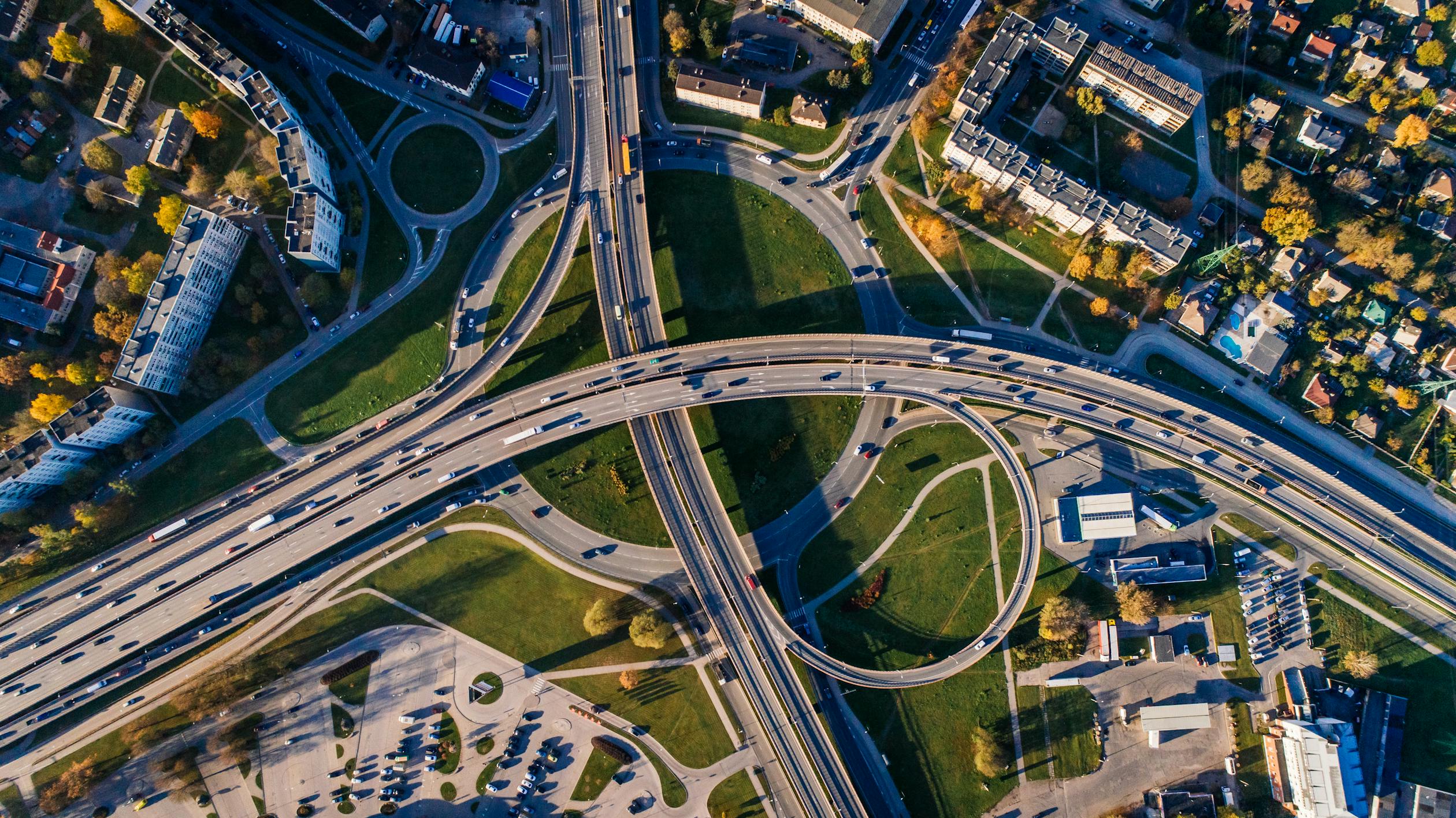

Five major cities across different continents have launched a coordinated initiative to implement next-generation smart city technologies, creating integrated urban systems that use data and technology to improve everything from traffic flow to energy efficiency to public safety.
The Smart Cities 2.0 initiative represents a significant evolution beyond earlier smart city projects, incorporating artificial intelligence, Internet of Things sensors, and real-time data analytics to create more responsive and efficient urban environments. The participating cities—located in Asia, Europe, North America, South America, and Africa—are serving as testbeds for technologies that could transform urban living worldwide.
Integrated Urban Systems
Unlike earlier smart city projects that focused on individual systems, the new initiative takes a holistic approach, integrating transportation, energy, water, waste management, public safety, and other urban systems into a unified network. This integration allows cities to optimize across multiple domains simultaneously, finding solutions that improve multiple systems at once.
For example, the traffic management system doesn't just optimize traffic flow—it also coordinates with the energy grid to manage electric vehicle charging, works with public transportation to improve service, and provides data to emergency services for faster response times. This integrated approach creates synergies that wouldn't be possible with isolated systems.
The systems use thousands of sensors throughout each city, collecting data on everything from air quality and noise levels to traffic patterns and energy consumption. This data is processed in real-time using artificial intelligence algorithms that can identify patterns, predict problems, and automatically adjust systems to optimize performance.
Artificial Intelligence and Predictive Analytics
At the heart of the initiative is advanced artificial intelligence that can analyze vast amounts of data and make decisions in real-time. The AI systems learn from historical data to predict future conditions and proactively address problems before they become serious issues.
For instance, the systems can predict traffic congestion before it occurs and automatically adjust traffic signals, suggest alternative routes to drivers, and coordinate public transportation to handle increased demand. Similarly, the energy management systems can predict peak demand periods and automatically adjust energy distribution to prevent blackouts.
The predictive capabilities extend to public safety as well. The systems can identify patterns that might indicate potential problems, allowing police and emergency services to respond more effectively. However, program organizers emphasize that these systems are designed with strong privacy protections and oversight mechanisms to prevent misuse.
Citizen Engagement and Participation
A key innovation of the initiative is its focus on citizen engagement. Residents can access real-time information about city services through mobile apps, report problems, and provide feedback. The systems also use citizen-generated data, with residents' consent, to improve services and identify issues.
Citizens can see real-time information about public transportation, find available parking spaces, report potholes or other infrastructure problems, and access information about air quality and other environmental conditions. This transparency and engagement helps build trust and ensures that the smart city technologies serve residents' actual needs.
The initiative also includes programs to ensure that all residents can benefit from smart city technologies, not just those with smartphones or internet access. Public kiosks, community centers, and other access points ensure that information and services are available to everyone, regardless of their technological resources.
Environmental Sustainability
Environmental sustainability is a major focus of the initiative. The integrated systems are designed to reduce energy consumption, decrease emissions, and improve environmental quality. Smart energy grids optimize energy distribution, reducing waste and integrating renewable energy sources more effectively.
Transportation systems are optimized to reduce congestion and emissions, with particular focus on supporting public transportation, walking, and cycling. The systems can provide real-time information about the environmental impact of different transportation choices, helping residents make more sustainable decisions.
Waste management systems use sensors to optimize collection routes and schedules, reducing fuel consumption and emissions from garbage trucks. The systems can also identify areas where recycling rates are low and target education and outreach efforts accordingly.
Economic Development and Innovation
The smart city initiative is also designed to support economic development and innovation. The infrastructure and data platforms create opportunities for startups and established companies to develop new services and applications. Several cities have established innovation districts where technology companies can test new products and services.
The data collected by smart city systems, when anonymized and made available through open data platforms, can support research and innovation. Universities and research institutions are using this data to study urban systems and develop new solutions to urban challenges.
The initiative has also attracted technology companies and investment, creating jobs and economic opportunities. The cities participating in the initiative are positioning themselves as leaders in urban technology, attracting talent and investment from around the world.
Privacy and Security Concerns
Given the extensive data collection involved in smart city systems, privacy and security are major concerns. The initiative includes comprehensive privacy protections, data security measures, and oversight mechanisms to ensure that data is used appropriately and securely.
Data is anonymized whenever possible, and personal information is protected with strong encryption and access controls. Citizens have control over how their data is used, with clear opt-in and opt-out mechanisms. Independent oversight boards monitor data use and ensure compliance with privacy regulations.
Security measures protect against cyberattacks that could disrupt city services or compromise sensitive data. The systems use multiple layers of security, including encryption, access controls, and regular security audits. Cities are also working together to share information about security threats and best practices.
Scalability and Replication
One of the goals of the initiative is to develop models and technologies that can be replicated in other cities. The participating cities are documenting their experiences, challenges, and solutions to help other cities implement similar systems.
However, organizers recognize that each city is unique and that smart city technologies must be adapted to local contexts. What works in one city may need significant modification to work in another. The initiative includes programs to help cities assess their needs and adapt technologies accordingly.
Cost is also a consideration. While smart city technologies can provide significant benefits, they also require substantial investment. The initiative includes efforts to develop cost-effective solutions and financing models that make smart city technologies accessible to cities with limited budgets.
Measuring Success and Impact
The initiative includes comprehensive monitoring and evaluation to measure its impact on urban life. This includes tracking improvements in traffic flow, energy efficiency, public safety, environmental quality, and citizen satisfaction. Early results are encouraging, with measurable improvements in multiple areas.
However, measuring the full impact of smart city technologies will take time. Many benefits, such as improved economic development or long-term environmental improvements, may take years to become fully apparent. The initiative is designed as a long-term investment in urban infrastructure and capabilities.
The Smart Cities 2.0 initiative represents a significant step forward in using technology to improve urban life. While challenges remain, the early results suggest that integrated, AI-powered smart city systems can make cities more efficient, sustainable, and livable. As the technologies mature and lessons are learned, they could transform urban living for millions of people worldwide.