

The United Nations Educational, Scientific and Cultural Organization has announced the addition of 15 exceptional sites to its prestigious World Heritage List, recognizing their outstanding universal value to humanity and committing to their protection for future generations.
The newly inscribed sites span six continents and represent remarkable diversity in both natural wonders and cultural achievements. From ancient archaeological complexes to pristine natural ecosystems, these additions bring the total number of World Heritage sites to over 1,200, each representing a unique contribution to human civilization or natural heritage.
Cultural Heritage Sites
Among the cultural sites added this year is an extraordinary ancient city complex in South America that dates back over 3,000 years. This archaeological site represents one of the most sophisticated pre-Columbian civilizations in the Americas, featuring advanced urban planning, intricate irrigation systems, and remarkable architectural achievements that continue to inspire modern architects and engineers.
The site includes well-preserved residential areas, ceremonial centers, and agricultural terraces that demonstrate the civilization's remarkable understanding of engineering and environmental management. Archaeologists have been working at the site for decades, gradually uncovering its secrets and gaining insights into how this ancient society organized itself and interacted with its environment.
Another significant cultural addition is a medieval trading city in Central Asia that served as a crucial hub along the historic Silk Road. This city represents centuries of cultural exchange between East and West, with architectural styles and cultural influences from multiple civilizations blending together in unique ways. The preservation of this site helps tell the story of how trade routes facilitated not just economic exchange but also the spread of ideas, technologies, and cultural practices across vast distances.
The city's architecture reflects influences from Persian, Chinese, Indian, and European traditions, creating a distinctive style that exists nowhere else in the world. Its preservation is particularly important because many similar trading cities along the Silk Road have been lost to time, making this site a rare window into an important period of human history.
Natural Heritage Sites
The natural sites added this year include a remarkable marine ecosystem in the Pacific Ocean that represents one of the most biodiverse coral reef systems in the world. This site is home to thousands of species of fish, corals, and other marine life, many of which are found nowhere else on Earth. The reef system plays a crucial role in maintaining marine biodiversity and supporting local fishing communities.
However, the site faces significant threats from climate change, including rising sea temperatures and ocean acidification. Its designation as a World Heritage site brings increased international attention and resources for conservation efforts, which are urgently needed to protect this unique ecosystem. Conservation organizations are working with local communities and governments to develop comprehensive protection strategies that address both immediate threats and long-term challenges.
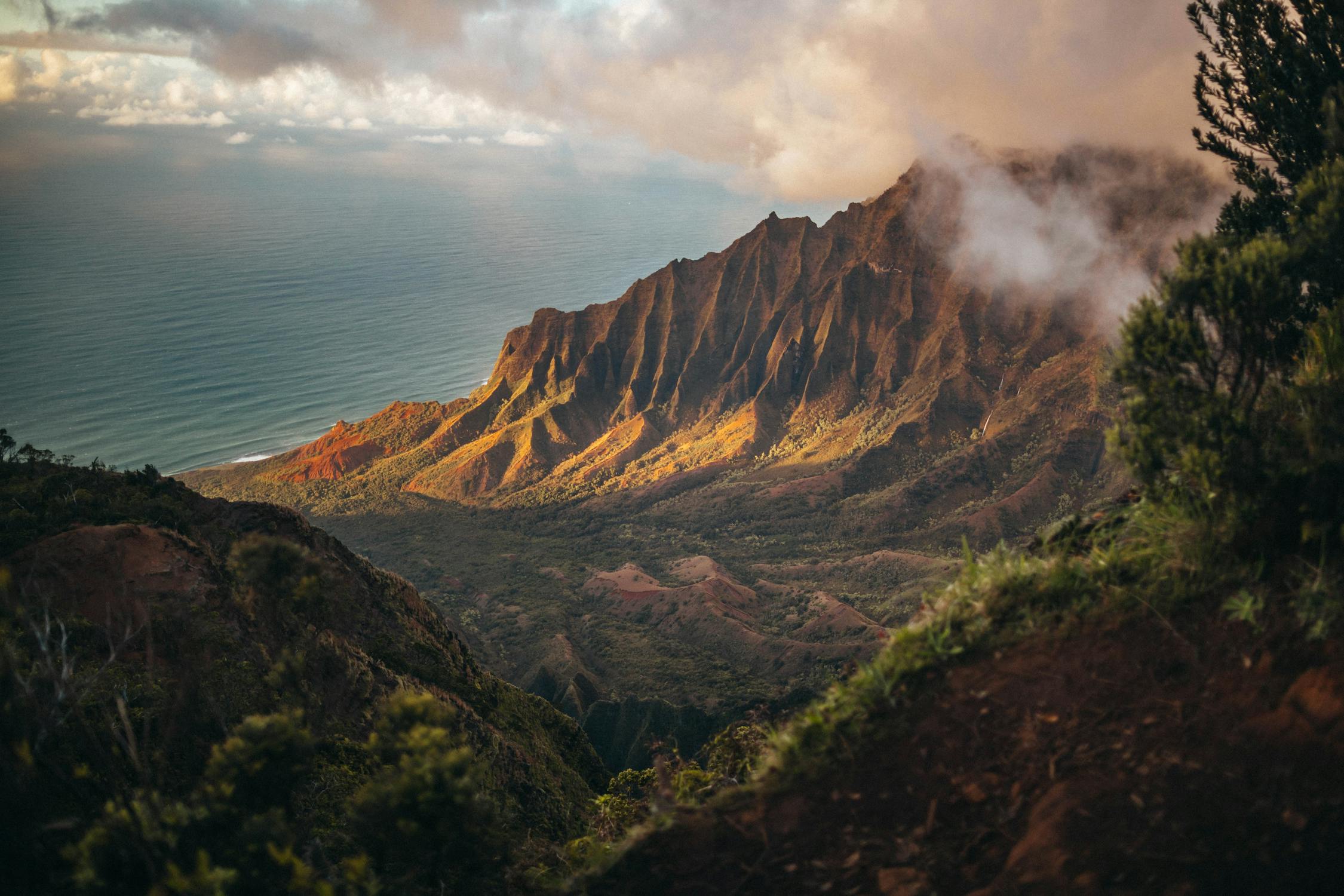
Another natural site added to the list is a vast mountain range in Asia that contains some of the world's most dramatic landscapes and unique ecosystems. This mountain range is home to numerous endangered species and contains glaciers that are crucial water sources for millions of people downstream. The area's designation recognizes both its natural beauty and its importance for biodiversity conservation and water security.
The mountain range includes ecosystems ranging from tropical forests at lower elevations to alpine tundra near the peaks, creating a remarkable diversity of habitats in a relatively compact area. This diversity supports an extraordinary array of plant and animal species, many of which are adapted to specific elevation zones and cannot survive elsewhere.
Mixed Cultural and Natural Sites
One particularly noteworthy addition is a site that represents both exceptional cultural and natural value—a landscape that has been shaped by human activity over thousands of years while maintaining remarkable natural biodiversity. This site demonstrates how human societies can coexist with and even enhance natural ecosystems when traditional practices are maintained.
The landscape includes terraced agricultural systems that have been maintained for centuries, creating a unique ecosystem that supports both food production and biodiversity conservation. The traditional farming practices used in this area have been passed down through generations and represent a sustainable approach to agriculture that modern societies are only now beginning to appreciate and adopt.
This type of mixed site is particularly valuable because it demonstrates that human activity and natural conservation are not necessarily in conflict. When traditional practices are maintained and respected, they can actually enhance biodiversity and ecosystem health while providing for human needs. This lesson is increasingly important as the world grapples with how to feed a growing population while protecting natural ecosystems.
Conservation Challenges and Opportunities
While World Heritage designation brings recognition and resources, it also highlights the conservation challenges these sites face. Many are threatened by climate change, urban development, tourism pressure, or conflict. The designation process includes requirements for management plans that address these threats, but implementation requires ongoing commitment and resources.
Tourism is a particular challenge for many World Heritage sites. While tourism can provide economic benefits and support for conservation, it can also damage fragile sites if not carefully managed. Many of the newly designated sites are already popular tourist destinations, and their designation is likely to increase visitor numbers. This creates both opportunities and challenges that site managers must navigate carefully.
Climate change poses perhaps the greatest long-term threat to many World Heritage sites, both natural and cultural. Rising sea levels threaten coastal sites, changing weather patterns affect agricultural landscapes, and rising temperatures can damage fragile archaeological materials. Addressing these threats requires both local action and global cooperation to reduce greenhouse gas emissions.
Community Involvement and Benefits
An important aspect of World Heritage designation is the involvement of local communities in site management and conservation. Many of the newly designated sites include provisions for community participation, recognizing that successful conservation requires the support and involvement of people who live near or depend on these sites.
Local communities often have deep knowledge about these sites, including traditional management practices that have maintained them for generations. This knowledge is invaluable for conservation efforts and helps ensure that management approaches are appropriate for local contexts. Involving communities also helps ensure that conservation benefits are shared fairly and that local people have a stake in protecting these sites.
World Heritage designation can bring economic benefits to local communities through increased tourism, but these benefits must be managed carefully to ensure they support rather than undermine conservation goals. Many sites have developed innovative approaches to sustainable tourism that provide economic benefits while protecting the sites themselves.
Global Significance and Future Generations
The addition of these 15 sites to the World Heritage List represents a commitment to preserving humanity's shared heritage for future generations. Each site tells a unique story about human achievement, natural wonder, or the relationship between people and their environment. Together, they represent the incredible diversity of human culture and the natural world.
Protecting these sites requires ongoing commitment from governments, international organizations, local communities, and individuals around the world. The challenges are significant, but so is the value of what we stand to lose if these sites are not protected. The World Heritage designation is an important tool in this effort, but it is only one part of a broader commitment to conservation and cultural preservation.
As we face increasing pressures from development, climate change, and other threats, the importance of protecting these exceptional sites becomes ever more clear. They represent not just our past but also our future—places that can inspire, educate, and remind us of what humanity and nature are capable of achieving. Their protection is a responsibility we all share, and the World Heritage designation helps ensure that this responsibility is recognized and acted upon.